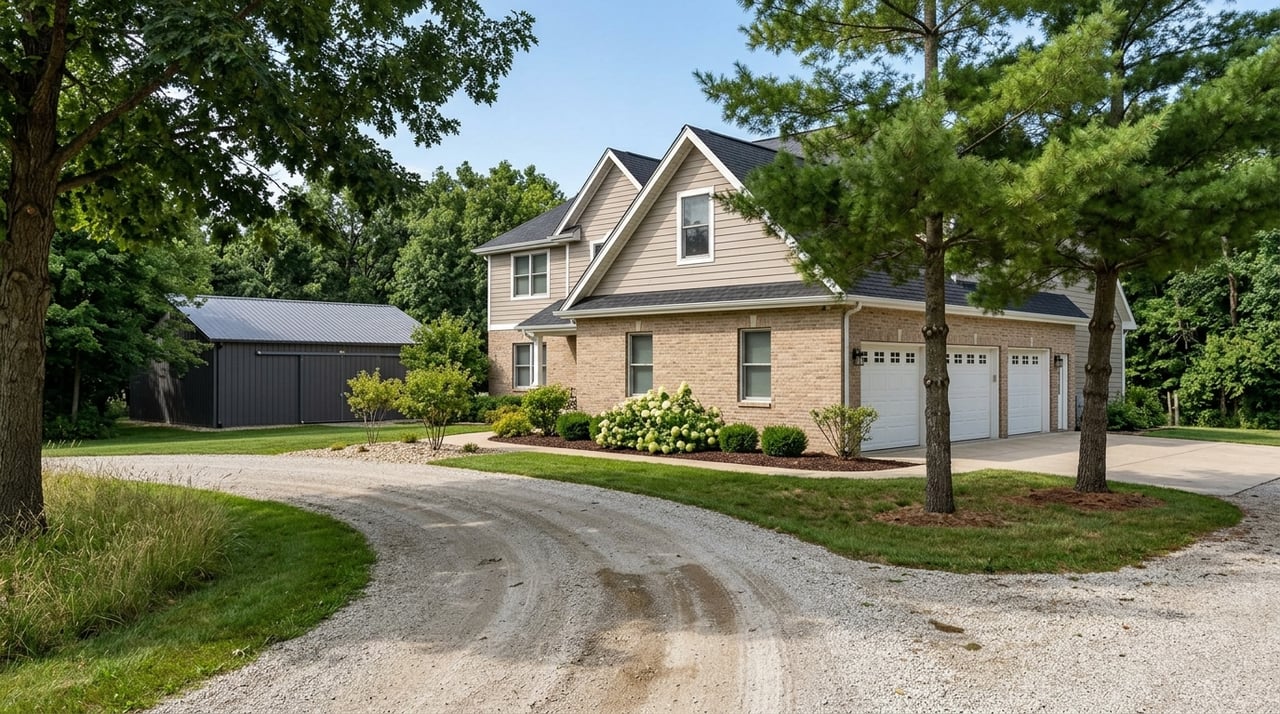
Selling acreage in Ortonville can feel simple at first glance. You have land, a home or outbuildings, and a buyer who wants more space. But rural and acreage sales usually involve more moving parts than a standard subdivision listing, and that can affect pricing, prep, showings, and timing. If you know what buyers will ask for before your property hits the market, you can avoid delays and move through the process with a lot more confidence. Let’s dive in.
Why acreage sales work differently
In the Ortonville area, local planning and zoning questions are generally handled by Brandon Township or the Village of Ortonville, while Oakland County still plays a major role in health, road, and property-record services. That matters because a rural sale often depends on information from several offices instead of one simple source.
With acreage, buyers are not just evaluating the house. They are also looking closely at the parcel itself, including access, easements, utilities, drainage, outbuildings, and whether the land supports future improvements. Brandon Township’s building materials reflect this because site plans may need details like property dimensions, setbacks, easements, septic and well locations, and utility lines.
That is one reason rural listings benefit from more front-end preparation. The more clearly you can document the land and improvements, the easier it is for buyers to understand what they are purchasing.
What buyers notice first on rural property
Acreage buyers tend to look beyond finishes and décor. They often focus on usability, layout, and the practical features that make the property function day to day.
That can include:
- Parcel size and shape
- Road frontage and access points
- Driveway condition and width
- Easements or shared access
- Septic and well locations
- Utility availability
- Drainage patterns
- Barns, sheds, garages, or pole buildings
- Areas that may be wet, wooded, or difficult to build on
In many cases, these details shape buyer confidence just as much as the home itself. When key information is missing, buyers may pause, ask for more time, or hesitate to make a strong offer.
Outbuildings matter more than usual
On acreage, outbuildings often carry real weight in the sale. A detached garage, pole barn, shed, or workshop may be one of the property’s biggest selling points, but only if you can clearly explain what it is, where it sits, and whether it was properly permitted.
Brandon Township’s accessory-structure guidance requires a detailed site plan for structures like pole barns, garages, and sheds. That guidance includes dimensions, easements, and the location of septic, well, electric, and gas features. It also notes that accessory buildings under 200 square feet do not need a building permit, though a zoning permit is still required.
For sellers, the takeaway is simple. If you have older structures or additions, it helps to gather any records you have before listing. Buyers may ask whether a structure was documented, and having that information ready can make negotiations smoother.
Access and driveway issues can affect the sale
One of the biggest differences in a rural transaction is access. Showings are often less straightforward when a property has a long driveway, a gate, shared access, mud or snow concerns, or limited turnaround space.
Brandon Township inspects driveways under its zoning ordinance, requires visible address numbers, and reviews private roads. Its building guidance also notes that if a new home uses a private road, culvert placement and a private road maintenance agreement may be required.
If your driveway connects to a county road, the Road Commission for Oakland County has its own permit standards. Its residential driveway permit standards address width at the property line, drainage impact, culvert sizing, and grade requirements. For buyers, that means driveway access is not just a convenience issue. It is part of the property’s overall usability.
Why showings may need more planning
Rural showings often require more notice than a typical suburban listing. That is especially true if there are gates, animals, long drives, shared roads, or weather-related access issues.
A well-planned showing process helps buyers experience the property without confusion. It also helps avoid practical problems that can distract from the sale.
The records buyers often want early
For an Ortonville-area acreage sale, one of the smartest steps is creating a property packet before the home goes live. Buyers for rural property commonly want more documentation up front because they are evaluating the land, systems, and improvements along with the residence.
A strong property packet may include:
- Deed or legal description
- Current survey, if available
- Parcel map
- Easement information
- Land division or combination approvals, if applicable
- Septic permit or inspection records
- Well permit or well records
- Information about abandoned wells, if relevant
- Permit records for barns, sheds, garages, or additions
- Notes about private road access or maintenance, if relevant
Oakland County’s property-record portal includes tools like a Super Index Search and Acreage Books Search. Brandon Township’s assessor information also supports parcel and legal-description research. If there has ever been a split, combination, or legal-description issue, those records can become very important during due diligence.
Septic, well, and water questions are common
If your property is on septic, expect buyers to ask about it. The Oakland County Health Division issues permits and conducts inspections for onsite sewage disposal systems, and the county keeps septic permits and inspections for 18 years.
That makes septic records one of the most useful documents to have ready. Buyers often want to know where the system is located, whether it was installed legally, and whether any inspections or repairs are on record.
Well information matters just as much. Oakland County says private well owners are responsible for testing their own water, recommends annual testing for bacteria and nitrates, and recommends arsenic testing every few years. The county also provides well permits and testing services.
In Brandon Township, building information also notes that arsenic has been found in some local drinking-water supplies. Because of that, buyers may ask for recent water-test results, especially on acreage properties with private wells.
Do not forget old wells
Older rural properties sometimes have more than one well history. There may be an old farm well, a well tied to a prior structure, or a location that was abandoned years ago.
Oakland County states that property owners are responsible for plugging abandoned wells and that only registered well drillers can plug them. If your land has a long history of use, it is worth checking whether any old wells were properly abandoned and documented.
Land history can shape buyer confidence
With acreage, buyers often want to verify that the legal description matches what is being marketed. They may also ask about lot history, prior splits, or whether a parcel was ever combined with another piece of land.
This is where county records and township information become especially useful. If there is any uncertainty around boundaries, easements, or parcel configuration, it is smart to address that before the listing is active rather than during negotiations.
If a seller is planning to divide land before selling, timing matters. Brandon Township provides a Land Division and Combination Application for parcel changes, and Michigan’s farmland development rights guidance notes that if land is tied to that type of agreement, any split should be approved and completed before the property is sold.
Wetlands, floodplain, and site conditions
Not every acreage parcel has environmental complications, but buyers may still ask questions about wetlands, drainage features, or flood-prone areas. That is especially true when parts of the land look low, marshy, wooded, or close to shoreline-adjacent drainage features.
Michigan EGLE’s Wetlands Map Viewer is a screening tool only and is not intended to determine jurisdictional boundaries. EGLE also states that the most accurate floodplain information comes from FEMA maps or, for site-specific questions, from a floodplain engineer with property-location details.
For sellers, the practical point is not to guess. If a buyer is likely to question a certain area of the parcel, it helps to know what records or mapping tools exist so those conversations stay factual and clear.
Tax and agricultural status may come up
If your property is used for agricultural purposes or has been classified that way, buyers may ask how a transfer affects taxes or agricultural status. Michigan Treasury states that a transfer of ownership generally causes taxable value to uncap in the following calendar year.
Treasury also notes that qualified agricultural property rules can affect whether agricultural land keeps its exemption after a sale. A new owner who wants land to remain qualified agricultural property must file the required state form after transfer.
This does not affect every acreage listing the same way, but it is an important topic when the land has active or former agricultural use. Clear communication early can help buyers understand what may change after closing.
How to prepare before listing
The best time to prepare for an acreage sale is before photography, pricing, and marketing begin. Rural transactions can slow down quickly when key records are missing or scattered across township, county, and state offices.
A smart prep checklist includes:
- Confirm whether the property is in Brandon Township or the Village of Ortonville
- Gather the deed, survey, and parcel history
- Locate septic, drain field, well, and any old well information
- Identify easements and access points
- Verify private-road details, if applicable
- Collect permit information for barns, sheds, garages, and additions
- Review whether wetlands or floodplain questions may come up
- Organize records in one clear property packet
This kind of preparation supports a smoother listing launch. It also helps your marketing tell the full story of the property instead of leaving buyers to piece things together on their own.
Why early coordination matters
Acreage listings often benefit from extra coordination before they ever hit the market. Depending on the property, that may mean involving a surveyor, checking permit history, pulling septic or well records, or reviewing access and easement questions early.
If the property includes a private road, easement issue, land split question, or agricultural agreement, it can also be wise to involve an attorney early. When there is a history of farm use, Michigan’s Right to Farm program and generally accepted agricultural practices may also be relevant to understanding how the property has been used.
In some cases, a site’s past use raises other questions. If there is any history of fuel tanks, dumping, or suspected contamination, EGLE’s brownfield site assessment and due care resources can help evaluate reuse and site conditions.
What sellers in Ortonville should expect
Selling acreage or rural property in Ortonville usually takes a more detailed game plan than selling a house in a neighborhood. Buyers often ask more questions, showings may take more planning, and documentation plays a much bigger role in how quickly and confidently a transaction moves forward.
The good news is that preparation solves many of the biggest issues before they become problems. When your records, access details, and property story are organized from the start, you put yourself in a stronger position to market the land well and keep the sale on track.
If you are thinking about selling acreage in Ortonville, a project-managed approach can make a real difference. Emily Ford can help you organize the details, prepare your property for market, and build a clear strategy for a smoother sale.
FAQs
What makes selling acreage in Ortonville different from selling a subdivision home?
- Acreage sales often involve more research and documentation because buyers are evaluating the land, access, utilities, outbuildings, and site conditions along with the home.
What records do buyers usually want for rural property in Ortonville?
- Buyers commonly want the deed or legal description, survey if available, parcel map, easement information, land division records, and septic or well documentation.
What should sellers know about septic records for Ortonville-area property?
- Oakland County Health Division issues permits and inspections for onsite sewage systems and keeps septic permits and inspections for 18 years, so those records are often helpful during a sale.
What should sellers know about well testing for rural property in Ortonville?
- Oakland County recommends annual testing for bacteria and nitrates for private wells and arsenic testing every few years, so recent water-test results may be useful to buyers.
What driveway or access issues matter when selling acreage in Ortonville?
- Driveway access, private-road details, visible address numbers, drainage, and culvert issues can all affect buyer confidence because they relate to how the property is used and accessed.
What if the Ortonville property has barns, sheds, or pole buildings?
- Outbuildings are often important to buyers, so it helps to gather any available permit or zoning records and be ready to show where those structures sit on the parcel.
What if the Ortonville acreage may include wetlands or flood-prone areas?
- Buyers may ask for more information, and screening tools exist, but site-specific questions may require more detailed mapping or professional review.
When should you start preparing an acreage property for sale in Ortonville?
- It is best to start before listing so you have time to gather records, confirm parcel details, and resolve questions that could otherwise delay showings or closing.