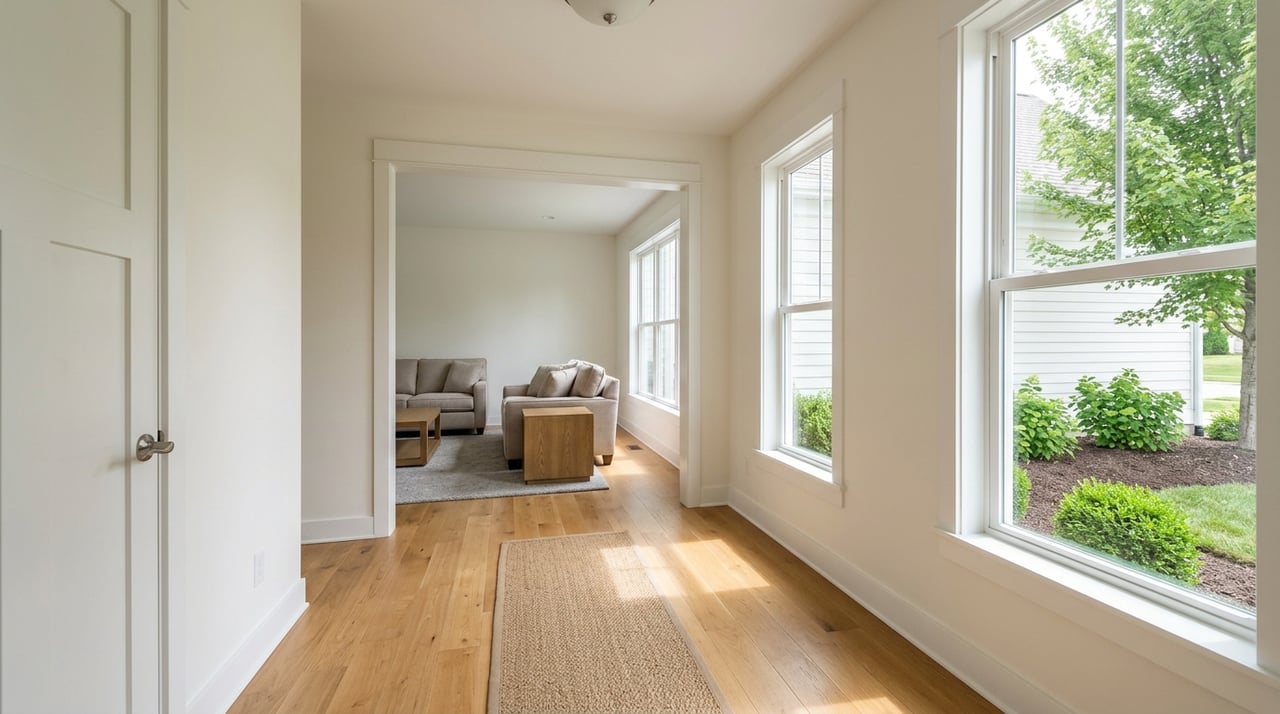
If you want your Waterford home to make a strong first impression, the work starts before the sign goes in the yard. Buyers often see your home online first, and in a lake-centered community like Waterford, small maintenance issues can stand out fast in photos and in person. The good news is that a smart pre-listing plan can help you reduce stress, avoid last-minute surprises, and present your home with confidence. Let’s dive in.
Why pre-listing prep matters in Waterford
Waterford has a distinct setting that shapes how buyers view homes. The township has frontage on 34 inland lakes and sits within the Clinton River Watershed, which means exterior condition, drainage, and shoreline presentation can carry extra weight.
That local context matters because buyers are already paying close attention online. According to the National Association of Realtors 2025 buyer research, 81% of buyers said listing photos were the most useful feature during their home search, and 52% found the home they bought online.
In other words, your home does not get a second chance at its first online impression. A cluttered room, dark entry, or exterior maintenance issue can pull attention away from the features you want buyers to notice.
Start with issues buyers will notice
Before you think about decor or staging, focus on the items that can raise questions during showings or negotiations. This includes leaks, stains, broken fixtures, unsafe steps, moisture concerns, and visible system issues.
These are the problems that tend to make buyers pause. Even when the repair is small, the impression can be bigger than the actual cost.
If a repair goes beyond cosmetics, bring in a licensed professional. That is especially important for electrical, plumbing, mechanical, roofing, drainage, or structural work in Waterford, where township development services handles permits and inspections.
Check permit-related improvements
If you have made updates that may have required township approval, verify your paperwork before your home goes live. Waterford requires permits for structural changes, additions, decks, pools, sheds over 200 square feet, and work involving electrical, plumbing, mechanical, and fill.
This step can be especially important for lakefront, shoreline, or low-lying properties. Waterford also regulates certain natural features, wetlands, setbacks, and fill or removal work tied to lakefront conditions.
Focus on curb appeal next
Once major concerns are handled, move outside. In Waterford, exterior presentation matters not just for curb appeal, but also because visible drainage problems, debris, or neglected shoreline areas can read as maintenance concerns.
A clean, well-kept exterior supports the impression that the home has been cared for. It also aligns with local code enforcement priorities around blight and unsafe conditions.
Exterior checklist before listing
- Clean lawn edges and trim shrubs
- Remove sticks, leaves, and yard debris
- Pressure-wash siding, walkways, steps, and driveway if needed
- Touch up peeling paint on the front door, trim, and railings
- Replace burned-out exterior bulbs
- Brighten and simplify the front entry
- Clear gutters and downspouts
- Make sure splash zones and foundation areas look dry and maintained
For lake-adjacent Waterford homes
If your home is on or near the water, spend extra time on the exterior before photos are scheduled. Buyers will notice shoreline access, steps, docks, and erosion-prone areas right away.
Clean up the path to the water, remove clutter, and make sure the area looks safe and usable. In a lake-oriented market, these details can shape how buyers perceive the property’s value and upkeep.
Prep the rooms buyers notice most
Not every room needs the same level of effort. Based on buyer and staging research, the most important spaces to prepare are the living room, primary bedroom, dining room, kitchen, and bathrooms.
The goal is not to make your home look empty or generic. The goal is to make it feel clean, bright, and easy for a buyer to picture as their own.
Entry
Your entry sets the tone. Remove shoes, coats, bags, and stacks of mail so the space feels open from the start.
A clean entry also helps photos feel more polished. Even small items can make a tight area look smaller on camera.
Living room
Take out extra furniture and anything that blocks sightlines. Personal photos and oversized decor can distract from the room itself.
Staging research shows that buyers respond well to spaces that feel simple and easy to understand. If the room looks lighter and more open, buyers can focus on layout and livability.
Kitchen
Deep-clean appliances, counters, sink, backsplash, and grout. Clear the counters as much as possible so the kitchen looks larger and more functional.
Buyer research highlights kitchens as one of the most important areas in a home search. If your kitchen is clean, bright, and uncluttered, it will usually photograph better and show better.
Primary bedroom
Keep the decor simple and calm. Reduce extra furniture if the room feels crowded, and organize the closet so storage looks usable.
This room should feel restful and spacious. Too much furniture or busy decor can make it feel smaller than it is.
Bathrooms
Bathrooms benefit from a close edit. Re-caulk where needed, scrub grout, hide toiletries, and replace worn mats or shower curtains.
Bathrooms tend to show every small flaw in photos. A fresh, simple setup helps the room read as clean and maintained.
Bedrooms, basement, and storage
Organize closets, reduce visible clutter, and deal with any odors or moisture signs before photography. Storage spaces matter because buyers often open doors and look closely.
If your basement or utility areas show stains or dampness, address that early. In Waterford, where watershed and drainage conditions are part of the local landscape, moisture signs can attract extra attention.
Make your home photo-ready
Preparing for photos is different from preparing for everyday living. Small stains, cords, countertop clutter, and overfilled shelves can become focal points once they are captured in high-resolution listing images.
That matters because professional visual marketing plays a major role in today’s sale process. NAR reports that photos, videos, and virtual tours are important listing assets, but the presentation still needs to feel accurate and true to the home.
What helps listing photos most
- Neutral wall colors and lighter-looking spaces
- Clean surfaces and open floor areas
- Streamlined decor
- Good lighting in main living spaces
- Clear views of windows, flooring, and room layout
A polished presentation should still look honest. If the online impression matches the in-person showing, buyers are more likely to feel confident when they walk through the door.
Gather paperwork before you list
Many sellers wait too long to pull together important documents. That can create stress right when showings begin and offers start coming in.
Michigan sellers should prepare disclosure paperwork early. Under the state Seller Disclosure Act, most 1- to 4-unit residential transfers require a seller disclosure statement before a binding purchase agreement is signed, and the form asks about major systems and property conditions.
Documents to organize early
- Seller disclosure information
- Permit records
- Inspection and repair invoices
- Warranty information
- Receipts for major updates or replacements
- Utility or service records that help clarify home systems
The disclosure form is not a warranty, but it is an important part of the sale process. Starting early gives you time to locate details on systems like electrical, plumbing, water heater, well and pump, septic tank and drain field, or city water and sewer service if they apply to your property.
Consider professional help before listing
If you feel overwhelmed, you do not have to handle every step alone. A focused pre-listing budget often goes furthest when it covers the services that improve condition, presentation, and marketing.
For many sellers, the best value comes from hiring the right support in the right order. That may include a cleaner, handyman, painter, stager, and professional photographer or videographer.
Services that can make a difference
- Deep cleaning
- Minor handyman repairs
- Paint touch-ups
- Staging support
- Professional photography
- Video or virtual tour preparation
This is where a project-managed approach can save time and reduce stress. Instead of guessing what matters most, you can prioritize the work that improves buyer perception and supports a stronger launch.
A simple Waterford selling timeline
If you are not sure where to begin, follow this order:
- Fix leaks, stains, broken fixtures, unsafe steps, and moisture issues.
- Verify permits or records for major improvements.
- Tackle exterior cleanup, drainage appearance, and curb appeal.
- Declutter and deep-clean the most visible rooms.
- Organize disclosures, warranties, and repair records.
- Schedule staging and photography after the home is fully ready.
This sequence helps you focus on what buyers notice first. It also helps your listing photos reflect the same level of care buyers will see in person.
The goal is a clean, confident launch
The best pre-listing plan is not about doing everything. It is about doing the right things in the right order so your Waterford home feels well-maintained, well-presented, and ready for the market.
In a community where lake access, drainage conditions, and exterior presentation can influence buyer perception, thoughtful prep matters. When your home looks clean, accurate, and cared for online and in person, you give yourself a stronger start.
If you want a calm, organized plan for selling in Waterford, Emily Ford can help you prioritize prep, coordinate the right vendors, and bring your home to market with confidence.
FAQs
What should Waterford sellers fix before listing a home?
- Start with leaks, stains, broken fixtures, unsafe steps, moisture issues, and obvious system concerns that buyers may see as red flags.
Why does exterior prep matter for a Waterford home sale?
- Waterford’s lake-oriented setting and watershed conditions can make buyers more alert to drainage, maintenance, shoreline access, and overall curb appeal.
What rooms matter most when preparing a Waterford house for photos?
- Focus first on the entry, living room, kitchen, primary bedroom, bathrooms, and any storage areas buyers are likely to inspect.
Do I need permit records before listing a home in Waterford?
- If you completed work such as additions, decks, pools, larger sheds, or certain mechanical and structural updates, it is smart to confirm permit paperwork before your home hits the market.
When should Michigan sellers complete the seller disclosure statement?
- For most 1- to 4-unit residential transfers, Michigan requires the seller disclosure statement to be delivered before a binding purchase agreement is signed, so it helps to prepare it early.
Should I stage my Waterford home before listing?
- Staging can help buyers visualize the space, especially in the living room, primary bedroom, and dining areas, and it can improve how your home comes across in listing photos.