If you love the idea of grabbing dinner, heading to a park concert, or strolling to a local shop without getting in your car, downtown Clarkston deserves a closer look. For many buyers, the appeal is not just the homes. It is the chance to live near a true village center with everyday charm and a more connected routine. If you are considering a home near downtown, this guide will help you understand what walkable Clarkston living really looks like and what to weigh before you buy. Let’s dive in.
Why downtown Clarkston feels walkable
Downtown Clarkston sits within the City of the Village of Clarkston, a compact historic village of about half a square mile centered around the Mill Pond and Clinton River. According to the City of the Village of Clarkston Master Plan, downtown is the heart of Clarkston and the most visible walkable area in the community.
That layout matters when you are searching for a home. In a compact village center, destinations are closer together, blocks are shorter, and walking can become part of your normal day instead of a weekend exception. The same plan describes the area as pedestrian-oriented, which helps explain why buyers are drawn to homes close to Main Street.
What you can walk to downtown
One of the biggest reasons buyers look near downtown is simple: there is something to do once you get there. The village center includes retail, specialty shops, personal services, restaurants, offices, municipal facilities, entertainment, and public gathering places, according to the city’s master plan.
Visitors and locals alike often describe Clarkston as a classic small downtown. Visit Oakland County highlights its picturesque Main Street lined with shops, eateries, and businesses, which reinforces the village-style experience many buyers want when they say they are looking for a walkable area.
Depot Park and community events
Depot Park plays a big role in downtown life. It is a central green space and a recurring event venue, giving nearby homeowners an easy place to gather, relax, or attend seasonal events.
The Clarkston Area Chamber of Commerce lists the free Concerts in the Park series at Depot Park, and local event calendars also feature traditions like Clarkston Buskfest, the Fourth of July Parade, the Clarkston Garden Walk and Artisan Market, and the Taste of Clarkston. If you buy nearby, those events become part of your routine instead of a special trip.
Small-scale local businesses
Downtown Clarkston is not built around big-box convenience. Its everyday retail is smaller in scale and more local in feel. For example, Essence on Main is a gourmet specialty market and gift shop located right in historic downtown.
That local business mix is part of the appeal. If you want a village setting with independent shops, restaurants, and gathering spaces, Clarkston offers a different experience than a typical suburban commercial corridor.
What homes near downtown look like
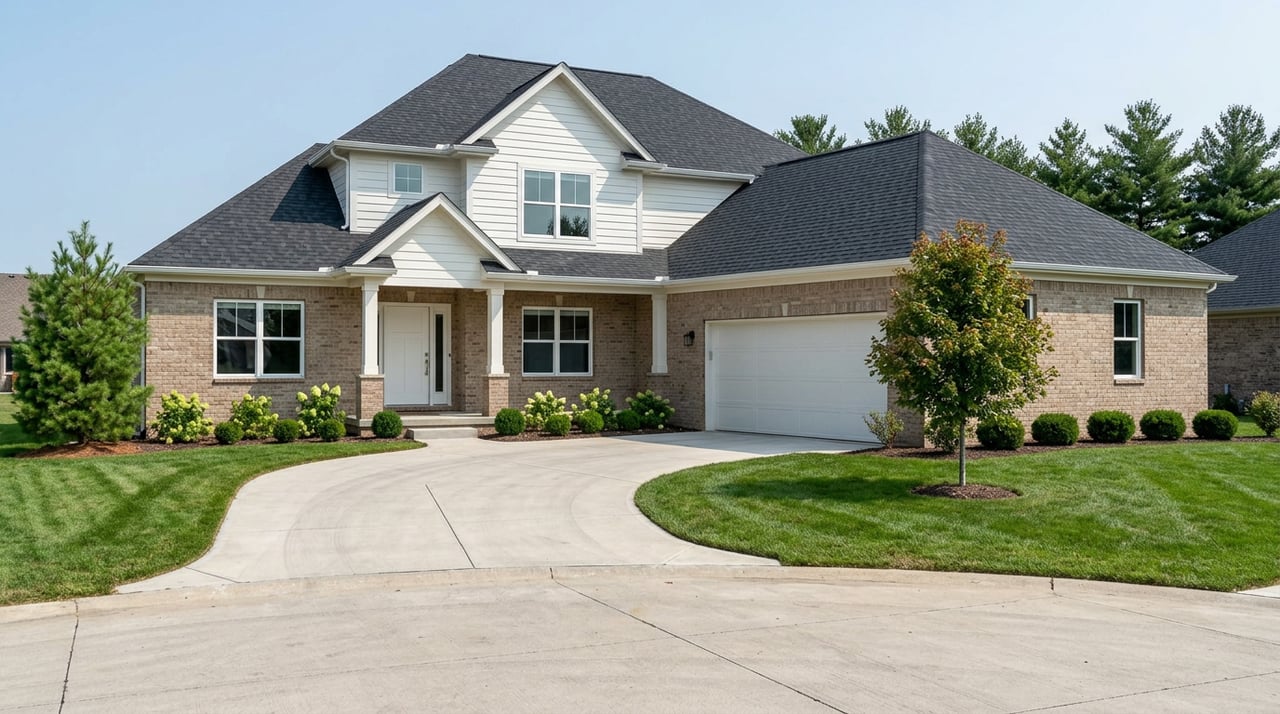
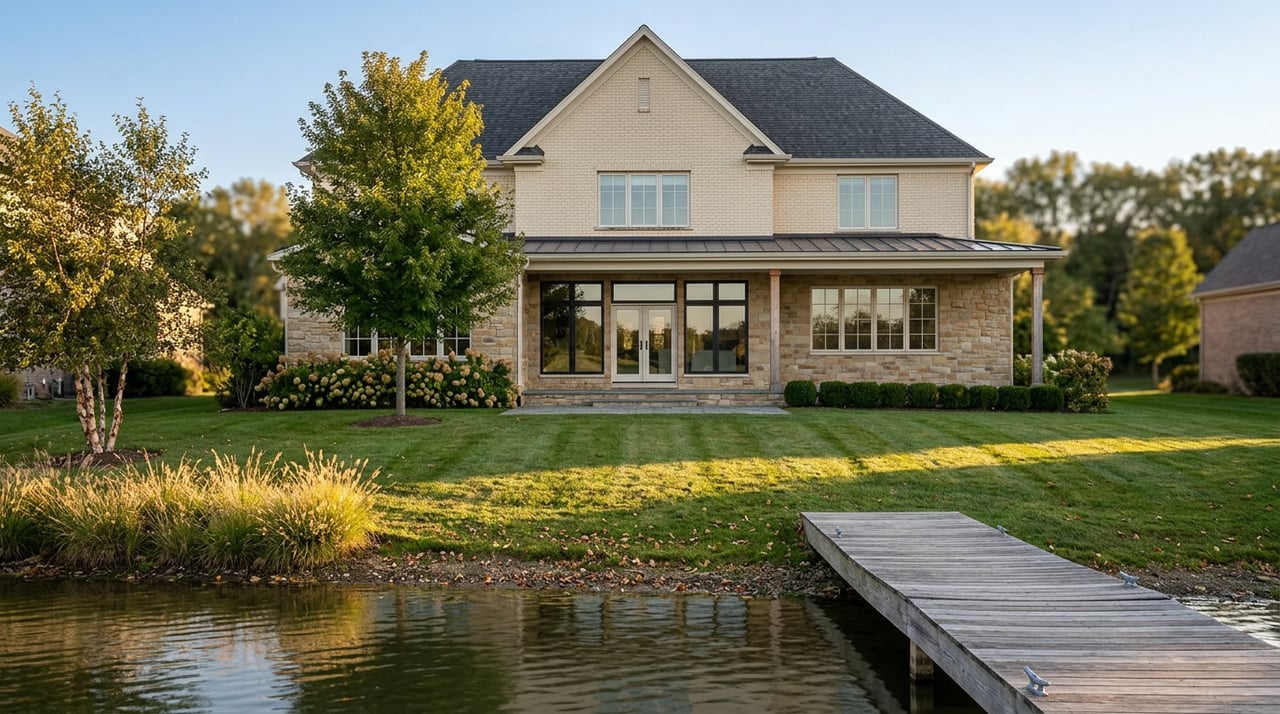
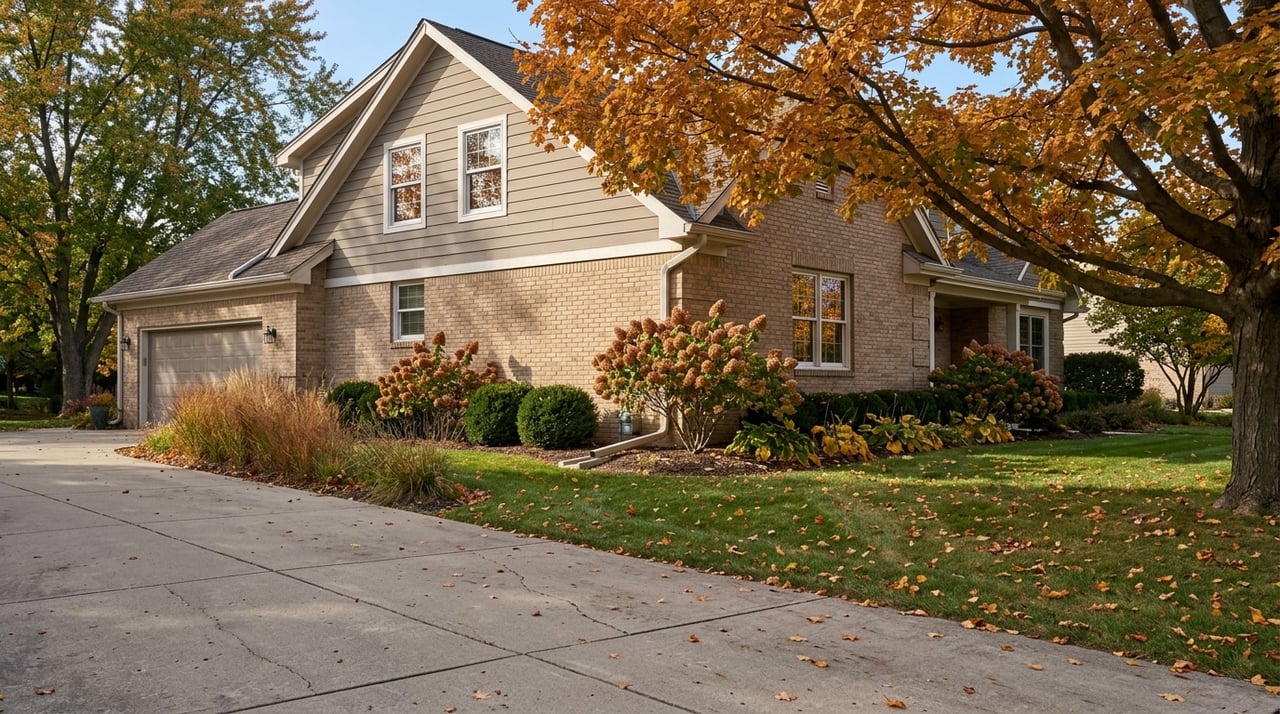
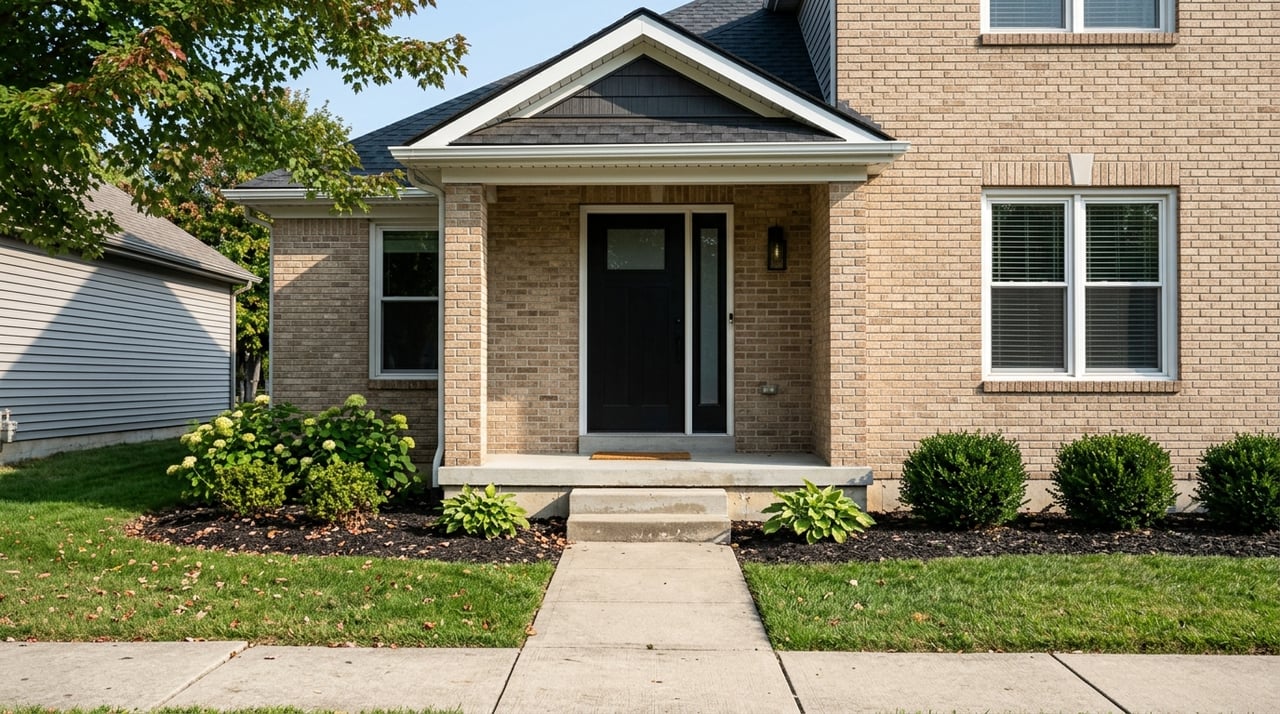
If you are picturing one single home style near downtown, Clarkston may surprise you. The housing stock is varied, with a mix of historic homes and smaller-scale residential options shaped by the village’s older street pattern and compact lots.
The historic district includes more than 100 historic structures, and the Clarkston Historical Society describes the village as a half-square-mile mill village. The master plan also notes that the old village neighborhoods around the center feature smaller lots, compact blocks, and densities of roughly 2 to 5 dwelling units per acre.
Historic homes with character
Many homes near the core reflect the village’s long history. The historical society points to examples of Vernacular, Greek Revival, Stick Style, Queen Anne, and Colonial Revival architecture in and around the historic district, including homes on Church Street, North Main, Holcomb, Buffalo, and West Washington. You can see one example in the historical society’s feature on 12 Church Street.
For buyers, that often means more architectural variety and more personality than you might find in a newer subdivision. It can also mean older construction, different floor plans, and more maintenance considerations, which we will cover below.
Condos, townhomes, and mixed housing
Yes, there are options beyond detached historic homes. The city’s future land use plan specifically allows for multiple-family housing near Main Street and Washington Street, including duplexes, townhouses, garden apartments, condominiums, and apartment buildings.
The same plan also identifies residential mixed-use opportunities near the village center, including smaller single-family homes, fourplexes, lofts, townhouses, mid-scaled apartments, and live-work units. If your goal is lower-maintenance living near downtown, that is an important part of the local housing picture.
Why buyers are drawn to walkable Clarkston living
Walkability is about more than distance. For many buyers, it changes how daily life feels. When you can head to a park event, walk to dinner, or spend time downtown without planning around a car trip, the area can feel more connected and more social.
The master plan ties downtown policy to preserving historic character, supporting aging in place, and encouraging a safe community for people at different life stages. It also notes that walking can support health and social interaction, especially for seniors. In practical terms, that means walkability can appeal to first-time buyers, downsizers, and anyone who wants a more connected lifestyle.
Sidewalks and paths add to the appeal
The downtown core is not the only piece of the puzzle. The master plan says Clarkston has a well-developed sidewalk system along with some multi-use greenways, and Independence Township’s safety path network has grown to more than 40 miles, even though some sidewalk gaps still remain.
That broader network helps support the lifestyle buyers want. A walkable downtown becomes even more useful when sidewalks and paths connect more of your everyday routes.
Tradeoffs to understand before you buy
Walk-to-town living can be a great fit, but it usually comes with tradeoffs. In Clarkston, the biggest ones are parking, traffic exposure, historic-district rules, and the upkeep that can come with older housing.
Knowing that upfront helps you buy with confidence. The goal is not to find a perfect home with no compromises. It is to find the right balance between convenience, character, and practicality.
Parking can be limited
Parking is one of the most noticeable realities of downtown living. The master plan says downtown parking is both contentious and insufficient, and it discusses the importance of rear, shared, and community parking, along with parallel parking on Main Street.
Event days make this even more visible. The Taste of Clarkston event page notes parking and shuttle buses at school lots, which is a good reminder that larger downtown events can shift traffic and parking away from the core.
Traffic is part of the setting
Main Street, also known as M-15, is the primary arterial and state trunk line through town. That means downtown convenience may come with more traffic than you would find on a quiet cul-de-sac.
The master plan also notes congestion concerns on Miller Road and around I-75 during construction or peak periods. If you want to walk to downtown, you may also need to be comfortable living near busier streets or occasional event-related congestion.
Historic district rules may affect updates
Historic charm can be a major plus, but it can also come with added review if your home is within the historic district. The city’s Historic District Commission brochure says exterior changes such as windows, fences, roofing, doors, siding, additions, demolition, and new construction require review before a building permit is issued.
That does not mean you should avoid a historic home. It simply means you should understand the approval process before planning exterior changes.
Older homes may need more upkeep
Older housing stock often comes with more personality, but also more maintenance. The master plan identifies aging housing stock, rehabilitation, modification, and retrofitting as ongoing neighborhood issues.
If you are shopping near downtown, it is smart to look closely at condition, recent updates, and future repair needs. Character and convenience can be worth it, but you want to go in with a realistic plan.
Who might love living near downtown
Homes near downtown Clarkston can work well for several types of buyers. If you value local events, a compact village setting, and easier access to shops and dining, the area may check a lot of boxes.
It can also appeal if you want a home with historic character or if you are looking for a condo or townhouse option closer to the village center. On the other hand, if your top priorities are a larger yard, easy parking, or complete flexibility for exterior renovations, you may want to compare downtown-adjacent options with homes a little farther out.
How to evaluate a walk-to-town home
When you tour homes near downtown Clarkston, it helps to think beyond the house itself. Pay attention to how the location functions during a normal week and during community events.
A few smart questions to ask include:
- How close are you to Main Street, Depot Park, and daily destinations?
- What is the parking setup for the home?
- Is the property inside the historic district?
- How much maintenance or updating might the home need?
- Does the home offer the tradeoff you want between lot size and walkability?
The best downtown purchase is usually the one that matches your lifestyle, not just your square footage goals.
If you are thinking about buying or selling near downtown Clarkston, working with someone who knows the village street by street can make the process much easier. Emily Ford brings deep local experience and a calm, high-touch approach to help you evaluate homes, understand tradeoffs, and move forward with confidence.
FAQs
Is downtown Clarkston actually walkable for homebuyers?
- Yes. The city’s master plan describes downtown Clarkston as the most visible walkable area in the community and identifies the village center as pedestrian-oriented.
Are there condos and townhomes near downtown Clarkston?
- Yes. The city’s future land use plan includes condominiums, townhouses, duplexes, garden apartments, and other multiple-family housing forms near Main Street and Washington Street.
What types of homes are near downtown Clarkston?
- Homes near downtown include older historic houses and a mix of other compact residential options. Architectural examples cited by the historical society include Greek Revival, Vernacular, Stick Style, Queen Anne, and Colonial Revival homes.
What are the main tradeoffs of living near downtown Clarkston?
- The biggest tradeoffs are typically smaller lots, more limited parking, exposure to traffic and events, less renovation flexibility in the historic district, and the upkeep that can come with older homes.
What makes walkable Clarkston living appealing to buyers?
- Many buyers like the ability to reach shops, restaurants, Depot Park, and community events more easily, along with the village character and connected feel of living close to downtown.