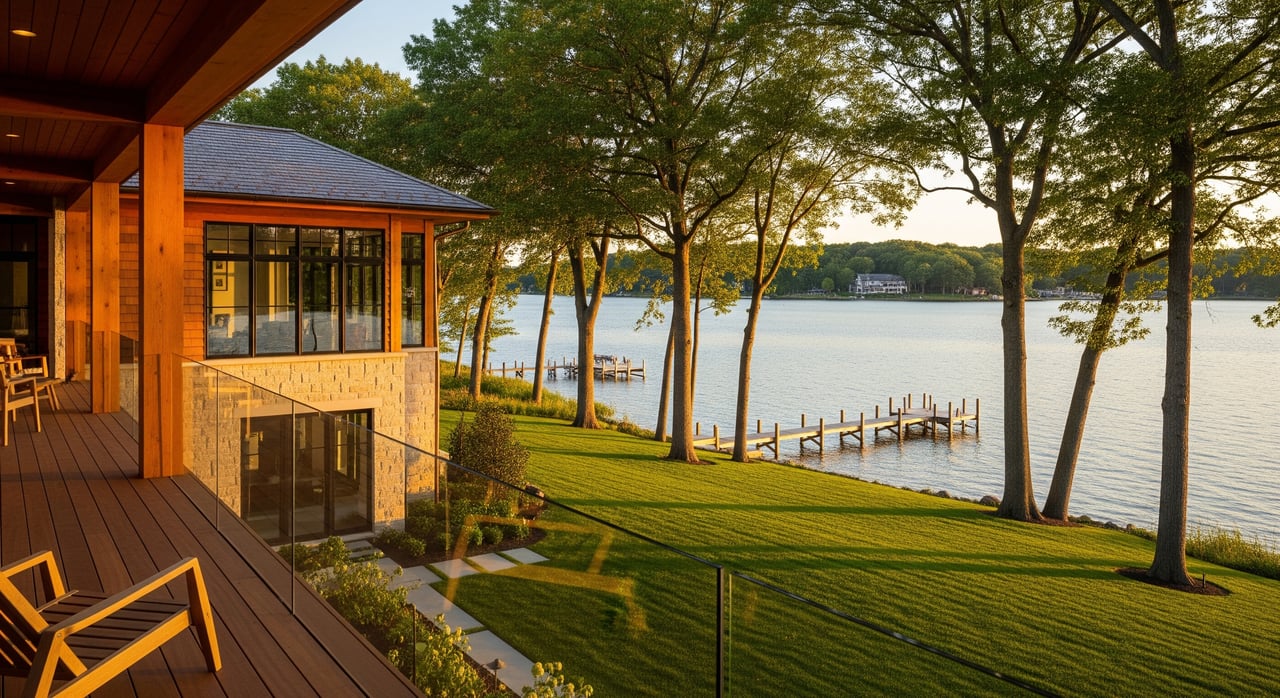
Wondering if a lakefront home in Waterford is worth the premium, or if an off-lake home nearby will fit your life better? You are not alone. With dozens of inland lakes and varied neighborhoods across Oakland County, the right choice depends on how you want to live, what you want to spend, and how much maintenance you want to manage. In this guide, you will learn the real tradeoffs, the costs to expect, the rules to know, and a clear checklist to make a confident decision. Let’s dive in.
What lakefront really means in Waterford
Waterford Township sits in the heart of Oakland County and includes many inland lakes of different sizes, depths, and access types. Large, connected lakes such as Cass Lake tend to draw more boating and year-round activity. Smaller or private lakes are quieter, with different rules and expectations.
Public versus private access, water clarity, and shoreline conditions all influence pricing and lifestyle. A lake’s size, whether it connects to other lakes, and the quality of the frontage can drive both value and regulation. This is why two homes on different Waterford lakes can feel, and appraise, very differently.
Financial tradeoffs at a glance
Purchase price and appraisal
Lakefront homes usually command a premium over nearby off-lake homes. The exact premium depends on frontage length, view, access, and the specific lake’s desirability. Appraisals can be more complex because truly comparable sales are fewer, and adjustments for shoreline features are specialized.
Taxes, assessments, and dues
- Property taxes follow assessed value, which is often higher for lakefront parcels.
- Some lakes have special assessments for weed control or lake improvements that repeat each year.
- Lake or homeowner association dues can cover shared docks, private launches, or beach maintenance.
Insurance and flood considerations
- Lenders order flood determinations. Some inland lake parcels fall in mapped flood zones and may require flood insurance.
- Even when not required, insurers can price lakefront differently. Coverage for docks, boat houses, ice damage, or shoreline structures may need endorsements.
- Expect underwriting questions about shoreline improvements and past claims if applicable.
Ongoing maintenance costs
- Dock installation, seasonal removal, and storage.
- Shoreline stabilization, seawall or riprap repairs, and vegetation management.
- Tree work, storm cleanup, and in some areas, periodic dredging or channel maintenance.
- Regular septic service and well testing if the property is not on public utilities.
Lifestyle and daily living differences
Access and recreation
With direct lake frontage, you step outside to swim, fish, kayak, or boat. You also enjoy winter recreation such as ice fishing when conditions allow. Off-lake homes can still be close to the water, but you trade immediate access for a lower price and often less maintenance.
Privacy and noise
Popular lakes can be lively, especially on weekends and holidays. Boat traffic, jet skis, and lakeside gatherings bring energy that some people love. If you prefer a quieter setting, off-lake homes or properties on smaller and more private lakes can be a better fit.
Utilities and upkeep
Many lakefront homes rely on private wells and septic systems, which require ongoing care and documentation. Off-lake homes are more likely to have municipal water and sewer, depending on the neighborhood. Day to day, off-lake properties typically mean fewer lake-specific chores.
Environmental realities to plan for
Water quality and algal blooms
Michigan inland lakes can experience nutrient-driven algal blooms, including harmful cyanobacterial blooms. These events affect swimability and appearance and can vary by lake and season. Ask for recent water quality summaries from local lake associations or county resources when you evaluate a property.
Invasive species and shoreline conditions
Invasive plants like Eurasian watermilfoil and aquatic mussels can influence boating and shoreline maintenance. Management programs, if in place, may be funded by dues or special assessments. Understanding current conditions helps you plan for both enjoyment and costs.
Erosion, lake levels, and ice damage
Waterford lakes see natural level changes and seasonal freeze and thaw. Wave action and ice movement can stress docks, seawalls, and vegetation. Learn the property’s erosion history, any past shoreline projects, and whether improvements are permitted and engineered.
Rules, permits, and associations
In Michigan, work that affects inland lakes or shorelines may require permits through state environmental agencies. Activities like dredging, installing or replacing seawalls, and building or modifying docks are often regulated. Local zoning in Waterford Township sets setbacks and standards for shoreline and accessory structures.
County agencies, including the health department, oversee well and septic permitting and inspections. Many lakes also have associations that manage weed control, private launches, and shared amenities. Some associations or deed restrictions limit boat types, dock designs, or shoreline landscaping, so you will want those documents early in your review.
Boating rules, no-wake zones, and invasive species prevention guidelines apply on many local lakes. Expect to follow clean, drain, and dry best practices if you trailer watercraft between lakes.
Off-lake advantages near Waterford lakes
Off-lake homes often offer lower purchase prices and wider buyer appeal. They can be great for commuters who split time between Oakland County suburbs like Warren, Troy, and Farmington Hills and weekend fun on the water. Maintenance is simpler without shoreline and dock work, and financing and appraisals are usually more straightforward.
If you want quick lake access without the premium, focus on off-lake homes within a short walk or bike ride to a launch or neighborhood access point where available. You may trade a view and private frontage for a quieter street and lower monthly carrying costs.
Which option fits your goals
Ask yourself a few practical questions.
- Budget: Are you comfortable with a higher purchase price plus possible assessments and insurance endorsements, or would you rather keep costs lower?
- Use: How often will you boat, swim, or fish? Daily access may matter more if you plan to be on the water several days a week.
- Noise and privacy: Do you enjoy activity around you, or would you prefer a quieter setting and fewer visitors nearby?
- Time and maintenance: Are you ready for dock work, shoreline care, and seasonal tasks, or do you want simpler upkeep?
- Utilities: Do you prefer municipal water and sewer, or are you fine maintaining a private well and septic system?
- Resale: Lakefront attracts a focused recreation buyer pool. Off-lake homes may appeal to a broader audience, including commuters.
Due diligence checklist for buyers
Bring this list to showings and inspections so you can make a confident offer.
- Utilities: Confirm whether the home is on municipal water and sewer or private well and septic. Ask for well test results and septic inspection reports, including pump-out history and permitted capacity.
- Shoreline and structures: Review a recent survey of lot lines and any waterfront easements. Inspect the dock, boathouse, and seawall for condition, anchoring, and permits.
- Water quality: Request recent lake monitoring or algae reports from the local lake association or county resources. Ask about invasive species history and weed treatment plans.
- Flood and insurance: Obtain a flood zone determination. Ask your insurer about endorsements for docks, boathouses, or shoreline structures.
- Permits and rules: Verify township setbacks and permitted uses for shoreline work. Review association bylaws, dues, special assessments, and any planned projects.
- Lake access and use: Learn whether the lake is public or private, whether there is a public launch, and how busy it gets during peak season. Ask about local speed or no-wake restrictions.
- Comps and marketability: Study recent sales on the same lake and in nearby off-lake neighborhoods. Note days on market and how frontage quality affected pricing.
Smart prep for sellers
If you plan to list a lakefront home, proactive documentation and presentation help you command top dollar.
- Gather records: Provide a recent septic inspection, well test, shoreline survey, and maintenance records for docks and seawalls. Include receipts for any permitted shoreline work.
- Improve the approach: Freshen landscaping and ensure safe, clear paths to the water. Neat dock setups and native shoreline plantings boost first impressions.
- Be transparent: Disclose lake-related restrictions, past shoreline work, flood history, or neighbor access agreements.
- Set the narrative: If the lake is lively on weekends, highlight morning calm or weekday quiet times to balance the picture.
For off-lake sellers near the water, emphasize convenience and value. Note walkable access points where allowed, describe nearby recreation, and showcase quiet streets and low maintenance. Buyers often choose proximity without the premium when they see the lifestyle tradeoff clearly.
How Emily helps you choose with confidence
You deserve a calm, well-managed process that fits your goals. With deep experience across Oakland County lake communities, Emily and her team bring concierge-level planning to both lakefront and off-lake purchases and sales. You get clear comps, vendor coordination for inspections and service, and thoughtful marketing that highlights what matters most to buyers.
Whether you are comparing specific Waterford lakes or weighing an off-lake neighborhood near your commute, you will have a project-managed experience that reduces stress and keeps you informed at every step. Ready to explore the right fit for your lifestyle and budget? Connect with Emily Ford to schedule your free consultation.
FAQs
What is the price premium for Waterford lakefront homes?
- It varies by lake, frontage quality, and shoreline improvements. Ask for recent comparable sales on the same lake and nearby off-lake neighborhoods to understand the current spread.
Do inland lake homes in Waterford require flood insurance?
- A lender-ordered flood determination will confirm requirements. Some lakeside parcels are in mapped flood zones, and even when not required, optional coverage and endorsements for docks or shoreline structures can be worth considering.
What permits do I need for a new dock or seawall?
- Shoreline work often requires state environmental permits, and Waterford Township has local zoning and building rules. Review association bylaws as well, since some lakes limit dock type or size.
How noisy are the larger Waterford lakes on weekends?
- Popular public lakes tend to have higher boat traffic and activity during peak hours. Smaller or private lakes are usually quieter. Visit at different times of day and on weekends to gauge the experience.
Are most lakefront homes on well and septic?
- Many lakefront parcels use private wells and septic systems. Off-lake homes are more likely to have municipal water and sewer, depending on the neighborhood. Confirm connection status and service records.
How does winter affect lakefront maintenance?
- Freeze and thaw can shift ice and stress docks and seawalls. Budget for seasonal dock removal and storage, winterization, and occasional shoreline repairs.
What should I ask a lake association before I buy?
- Request bylaws, dues, and any special assessments. Ask about weed treatments, boating restrictions, private launch rules, and recent water quality or algae monitoring results.