Looking for a true weekend escape without a long drive up north? If you live in Metro Detroit, Holly offers small-village charm, lakes and trails, and four-season fun within about an hour of home. You may be weighing the lifestyle perks against practical questions like utilities, winter access, rental rules, and maintenance. This guide breaks it down so you can decide if a Holly second home fits your plans. Let’s dive in.
Why Holly works for weekenders
Holly sits in northern Oakland County with a historic, walkable village core and easy access to lakes and state-managed recreation lands. It attracts buyers who want boating, paddling, cycling, trails, and low-key dining close to home. You get that small-town feel with a shorter drive, which makes quick getaways easier to stick with.
For many buyers coming from Troy, Farmington Hills, Warren, or Ann Arbor, typical drive time ranges from about 45 to 90 minutes depending on your route and departure time. That proximity is a key value. You can head up Friday after work, enjoy two full days, and be home Sunday night without a long road trip.
Outdoor access and lake life
You will find multiple lakes and waterways for boating, kayaking, canoeing, and fishing. Warm months bring swimming, dockside lounging, and bass or panfish days on the water. Nearby state recreation areas offer trails, camping, and motorized or off-road options. Many owners use their Holly homes as a base for day trips on the lakes and rivers, then return to the village for a relaxed dinner.
What each season looks like
Spring highlights
Spring is a shoulder season that is great for quieter visits. You will see boat prep and early fishing. Trails start to dry out, and you can scout properties before peak summer competition. Services are usually easier to schedule this time of year.
Summer fun
Summer is peak season for boating, swimming, festivals, farmers’ markets, and outdoor dining. Lodging demand is highest, and listings for lakefront and weekend-ready homes often increase. If you want a place ready for immediate enjoyment, you will likely compete most in summer.
Fall color and calm
Fall brings scenic foliage and a slower pace on the water. Nearby state lands support hunting in season. You can enjoy crisp hikes, scenic drives, and village events without summer crowds. It is also a sensible time to finalize inspections and winter prep.
Winter activities
Winter can mean snowmobiling, safe ice fishing, cross-country skiing, and snowshoeing. Some smaller roads and private drives can be tricky after storms. If you plan to use your second home in winter, confirm snow removal, heating system capacity, and access.
Property types you will find
Lakefront cottages and year-round homes
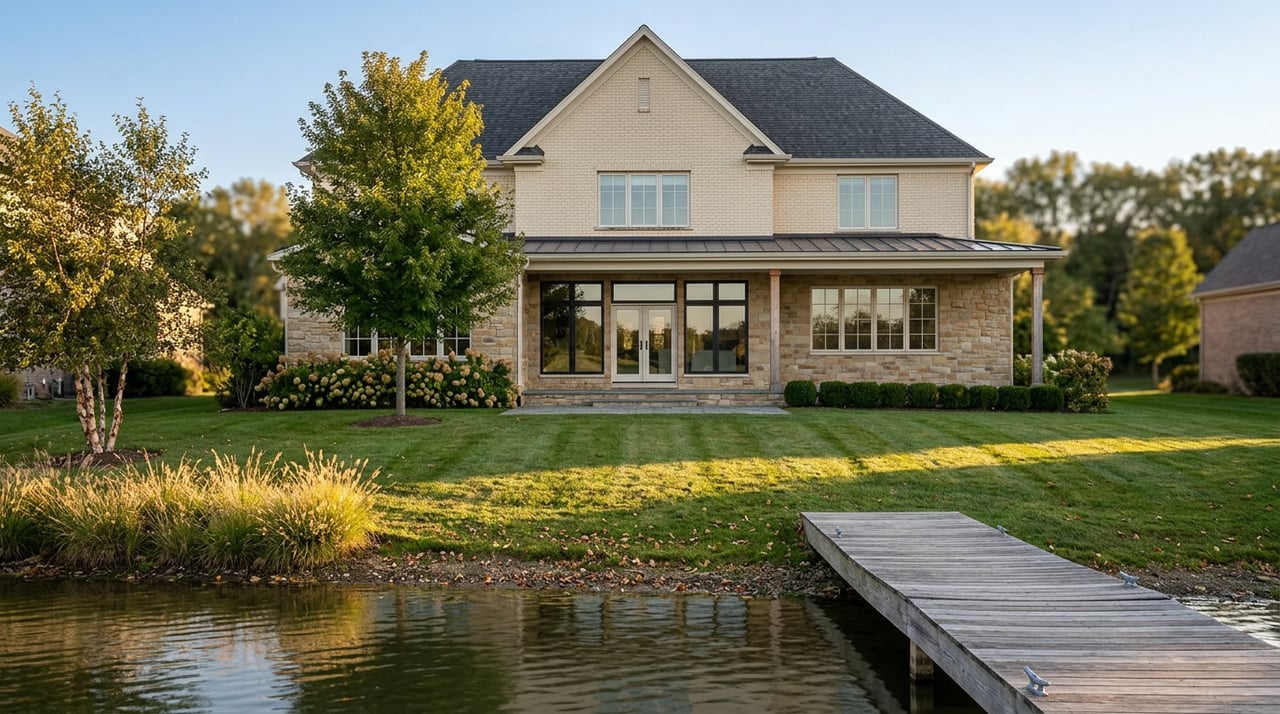
Holly has classic lakefront cottages along with larger waterfront homes. Cottages can have smaller footprints and older or seasonal construction. Check insulation, heating, and plumbing for true four-season use. Waterfront sites also come with shoreline care and dock considerations.
Historic village homes
In and near the village you will see Victorian-era and Craftsman-style homes with character and walkability. These properties may have smaller lots and ongoing maintenance needs. For many weekenders, the ability to stroll to shops and cafés is a big plus.
Rural cabins and single-family homes
Look a bit farther out and you will find cabins and single-family homes on larger or wooded lots. Many rely on private wells and septic systems. Expect a range of finishes and layouts that reflect the owner’s intended use and the era of construction.
Larger waterfront estates
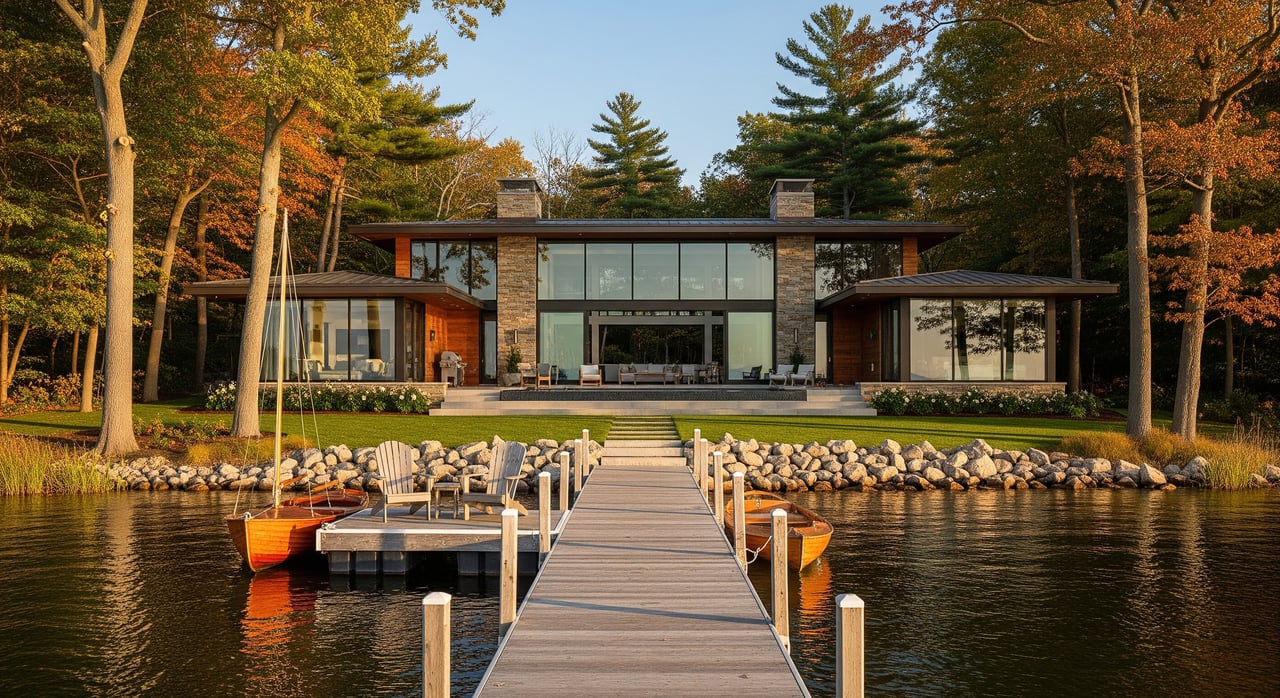
These are less common and command premiums. They often require higher maintenance, more extensive insurance, and regular professional care. If you want room for guests and boats, plan for upkeep.
Pricing, inventory, and timing
Holly has historically offered more approachable pricing than parts of central Oakland County, especially for non-lakefront homes. Lakefront and larger properties command premiums that reflect scarcity and lifestyle demand. Inventory often increases in spring and summer, and competition for waterfront or weekend-ready listings tends to rise in peak months. For the most current pricing and availability, connect with a local agent who tracks new listings and seasonal trends.
Utilities, internet, and access
- Water and sewer. Many rural and lake properties use private wells and septic systems. Some village-area homes have municipal water and sewer. Confirm service type with sellers and local utilities.
- Internet and cell. Coverage can vary in rural pockets. If remote work or streaming matters, check provider options and speeds before you buy.
- Roads and winter access. Smaller roads and private drives can be challenging after heavy snow. Clarify snow removal responsibilities and seasonal maintenance.
Insurance, flood, and winterization
Waterfront properties should be checked against FEMA flood maps to understand floodplain status and whether flood insurance is advisable. Shoreline erosion can be a consideration on some sites. If you plan to leave the home vacant for stretches, pay close attention to policy vacancy clauses and required winterization steps. Frozen pipes, heating failures, and freeze or thaw cycles are the main risks for part-time owners.
Docks, shoreline work, and permits
Shoreline changes, seawalls, and docks often require permits. State-level approvals may be needed, and some lake associations have their own rules on dock placement or shared access. Understand riparian rights, setbacks, and permit steps early so your summer plans are not delayed. If the property already has a dock, confirm it was installed with proper approvals and that it can be maintained or replaced as needed.
Short-term rentals and local rules
Some owners want to offset costs with short-term rentals. Rules can vary by municipality, with possible licensing, registration, taxes, and occupancy standards. Before you assume you can rent, check Village of Holly, Holly Township, and Oakland County ordinances. Short-term income is taxable, and additional local lodging taxes may apply.
Financing and ownership paths
Lenders generally differentiate between second homes and investment properties. A second home that you occupy part-time often has different down payment requirements than an investment property intended primarily for rental income. Many buyers see typical second-home down payments in the 10 to 20 percent range, while investment properties often require more. Get pre-approved for the correct loan type so underwriting matches your intended use.
You can own the property outright, partner with family, or explore entity ownership if rental is part of your plan. If you will not be on site regularly, factor in property management for cleaning, maintenance, snow removal, and emergency calls. Build these operating costs into your budget.
Smart buyer checklist for Holly
- Visit in multiple seasons, including your intended primary-use season.
- Confirm utility services, including well and septic versus municipal connections.
- Verify internet and cell coverage at the address, not just the area.
- Clarify road maintenance and winter access, especially for private drives.
- Order well, septic, and water-quality inspections. Add shoreline, dock, and structural checks for waterfront homes.
- Review local zoning, HOA and lake-association rules, and short-term rental regulations.
- Get insurance estimates for home, liability, and flood if applicable. Plan for winterization.
- Plan storage for boats and trailers. Confirm docking and public launch options.
- Discuss financing with lenders and talk to a CPA about rental versus personal-use tax treatment.
- Interview local real estate agents experienced in second-home and waterfront purchases.
Is Holly a fit for you?
Choose Holly if you want a short drive, year-round outdoor access, and a friendly village core rather than a distant resort town. You will trade longer highway time for more actual time on the water, trails, and in the community. With clear due diligence on utilities, winter access, insurance, and rental rules, you can set yourself up for a low-stress getaway that your family actually uses.
Ready to explore listings, seasonal timing, and a plan tailored to your needs? Reach out to Emily Ford for a calm, concierge consultation that covers property options, inspections, vendors, and next steps.
FAQs
How far is Holly from Troy, Farmington Hills, or Warren for weekend trips?
- Holly is generally within a 45 to 90 minute drive of many Metro Detroit locations, depending on origin, traffic, and route. Test the drive at your usual departure time.
What seasonal activities can I expect in Holly across the year?
- Summer is peak for boating and festivals, fall offers foliage and quiet trails, winter brings snow sports where conditions allow, and spring is ideal for low-key visits and prep.
What should I know about wells, septic, and utilities in Holly homes?
- Many rural and lake properties use private wells and septic systems. Confirm service type, order inspections, and budget for maintenance before closing.
Do I need permits for docks or shoreline changes on a Holly lake home?
- Docks, seawalls, and shoreline work often require state and local permits, and some lakes have association rules. Verify requirements before making changes.
Can I use a Holly property for short-term rentals to offset costs?
- Possibly, but local village, township, and county rules may require licensing, taxes, and safety standards. Confirm regulations before listing your home.
How do lenders treat a Holly second home versus an investment property?
- Second-home loans and investment loans have different down payment and underwriting standards. Get pre-approved for the correct use to avoid delays.
What insurance issues matter for a part-time Holly home?
- Ask about vacancy clauses, winterization requirements, and whether flood insurance is needed for your location. Budget for waterfront upkeep if applicable.