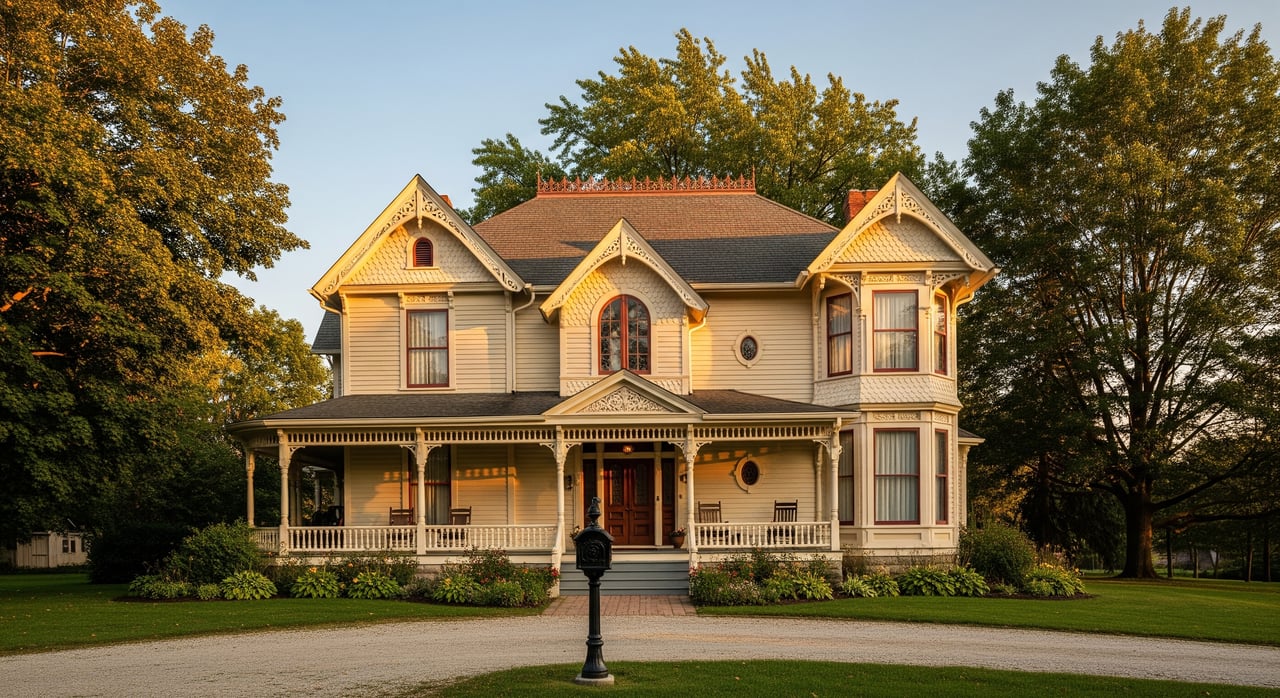
Thinking about buying a historic home in Holly but not sure where to start? You’re not alone. Older homes can offer character and a walkable, small-town feel, yet they also come with unique systems, rules, and costs. In this guide, you’ll learn what to look for on tours, which inspections to prioritize, how permits and incentives work, and smart ways to finance and plan for updates. Let’s dive in.
What makes Holly homes special
Homes around downtown Holly often date to the late 19th and early 20th centuries. You’ll see original woodwork, generous porches, and the kind of architectural detail that draws many buyers to Oakland County’s small-town neighborhoods. Seasonal weather in Michigan plays a big role in upkeep, so you’ll want to think about roofs, basements, and energy efficiency from day one.
Common styles you’ll see
- Queen Anne/Victorian: Asymmetrical shapes, wraparound porches, decorative trim, bay windows, and varied rooflines.
- Italianate: Low or flat roofs, wide eaves with brackets, and tall narrow windows with hoods.
- Colonial Revival/American Foursquare: Symmetrical façades for Colonial Revival, and boxy two-story Foursquares with hipped roofs and big front porches.
- Craftsman/Bungalow: Low-pitched gables, exposed rafters, tapered porch columns, and built-ins inside.
You may also find examples of Gothic Revival, Greek Revival, and Second Empire, though they are less common.
Original materials and details
- Structure and exterior: Wood-frame construction with wood siding or clapboard. Some later homes include brick or stone foundations.
- Windows: Many keep original single-pane wood windows, often with added storm windows.
- Interiors: Plaster over lath walls, original millwork, and wide baseboards are typical.
Red flags to watch on tours
During showings, a few visual cues can help you gauge condition before you go further.
- Mismatched additions: Large uneven additions that don’t align with the original build may signal unpermitted or poor-quality work.
- Movement and sagging: Wavy rooflines, uneven floors, or doors and windows that stick can indicate settlement or structural issues.
- Exterior patches: Repeated siding or foundation patches may suggest ongoing water or structural problems.
Your inspection plan for Michigan winters
Older homes perform well when systems are maintained and moisture is managed. Plan a thorough inspection, with specialists as needed.
- Structure and foundation: Look for vertical or horizontal cracks, bulging walls, frost heave, or settlement. Consider a structural engineer if concerns are significant.
- Roofing and attic: Verify roof age, flashing, and sheathing. Check ventilation and insulation levels since cold winters demand solid performance.
- Drainage and water management: Confirm grading slopes away from the home. Inspect gutters and downspouts, sump pump condition, and ask about the sewer lateral’s age and material.
- Mechanical systems: Note the age and type of furnace or boiler, water heater, and AC. Older systems like steam or gravity heat may need specialized service.
- Electrical: Watch for knob-and-tube wiring, ungrounded outlets, outdated panels, or a service size that may be too small for today’s needs.
- Plumbing: Identify galvanized steel supply lines or cast-iron drains that can corrode. Ask about lead solder or lead service lines and plan for testing.
- Hazardous materials: Homes built before 1978 may have lead-based paint. Older materials can also contain asbestos, such as some pipe wrap or floor tiles. Testing and removal should follow safe procedures.
- Moisture, mold, and pests: Basements and crawlspaces can be prone to dampness. Look for signs of past water, efflorescence, or pests.
- Chimney and fireplace: Have masonry, mortar, and flue liners evaluated. Repointing or a new liner may be needed.
- Energy performance: Original windows and limited wall insulation are common. Explore weatherization approaches that respect historic details.
- Environmental testing: Plan for radon testing in Michigan. Include lead and asbestos testing as age and materials suggest.
Rules, permits, and incentives
Historic status and local rules matter because they affect what you can change on the exterior and how you plan projects.
- Check designations: Confirm whether the property is in a local historic district or listed on the National Register of Historic Places. Local districts often review exterior changes through a formal approval process. National Register listing alone does not usually regulate private owners unless local rules apply.
- Local offices to contact: The Village of Holly Planning and Zoning or Building Department can explain permits and any design review. Oakland County Planning and Economic Development and the Michigan State Historic Preservation Office offer guidance and resources.
- Permitting basics: Many repairs still require standard permits. Unpermitted work discovered later can affect insurance and resale, so verify past permits and inspections.
- Preservation incentives: Federal Historic Rehabilitation Tax Credits typically apply to income-producing properties, not most owner-occupied single-family homes. Some state or local programs may offer grants, loans, or abatements. Check with the Michigan SHPO and local offices for current options and eligibility.
- Insurance: Older systems like knob-and-tube wiring or wood-shingle roofs can impact insurability. Get quotes early and understand any upgrade requirements.
Financing older homes
You can finance purchase plus repairs if you plan ahead.
- Renovation loans: FHA 203(k) and Fannie Mae HomeStyle Renovation loans can combine purchase and rehab into one loan. Compare lender experience and program rules before you commit.
- Conventional loans: Many buyers use conventional financing, but underwriters may flag older systems that need repair prior to closing.
- Cash or construction loans: For major structural or restoration projects, these options can provide flexibility and speed.
Costs to expect and plan for
Historic homes reward steady care. Build a realistic budget for immediate repairs and cyclical maintenance.
- Frequent upkeep: Exterior paint, wood repair on sills and porches, and periodic masonry repointing.
- Waterproofing: Foundation drainage improvements or waterproofing if moisture is present.
- Windows: Plan for repair, restoration with storm windows, or true-to-period replacements when necessary.
- Comfort and efficiency: Upgrading insulation or HVAC can improve comfort and operating costs while preserving original features.
- Big-ticket cycles: Roof, gutters, heating systems, and foundation work can be costly. Ask for ages, warranties, and any recent inspection reports.
Resale and marketability in downtown Holly
Many buyers value original woodwork, porches, and the convenience of being near a traditional Main Street setting. Others may worry about maintenance or prefer modern layouts. Think about how the floor plan fits your lifestyle today and how easily it can adapt.
Appraisals for unique historic homes can be tricky if there are few recent comparable sales. High-quality restorations that align with community expectations can support value, while mismatched additions can hurt it. Energy upgrades that preserve character, such as attic insulation or storm windows, can reduce costs and help with resale.
Your viewing and offer checklist
Use this quick reference to stay organized.
At the viewing
- Is the home in a local historic district or on the National Register?
- What are the ages of the roof, furnace or boiler, water heater, electrical service, and sewer line?
- Are there signs of water intrusion in the basement or attic?
- Do floors feel level and porches feel solid?
- Are windows original and do storm windows exist?
- Do you see peeling paint, brittle old floor tiles, or insulation that should be evaluated?
Before making an offer
- Book a full home inspection and needed specialty inspections: structural engineer, chimney, sewer camera, lead and asbestos testing, and radon testing.
- Request permit history for renovations and copies of receipts and warranties.
- Confirm insurability and get premium estimates.
- If a local district applies, ask about design review and likely constraints for planned changes.
How Emily helps you buy with confidence
Buying a historic home is easier when you have a local, project-managed process and a trusted vendor network. With two decades of Oakland County experience, Emily coordinates inspectors, engineers, and specialty contractors so you can move forward with clear timelines and fewer surprises. You get practical advice on permits, renovation loan options, and how to balance preservation with comfort and value.
If you’re considering a historic home in Holly, let’s map a plan that fits your goals and budget. Reach out to Emily Ford to schedule your free consultation.
FAQs
What rules might limit changes to a historic home in Holly?
- Many local historic districts focus on exterior appearance, while interior updates are often unrestricted. Always confirm specific requirements with the Village of Holly planning and zoning office.
Are historic homes more expensive to maintain than newer homes?
- They can be. Original materials and older systems need regular care, and big-ticket items like roofs or foundations can be periodic but costly. Budget for ongoing upkeep and plan for larger cycles.
Can I get tax credits or assistance for restoring a Holly historic home?
- Some incentives exist, but the federal historic rehabilitation tax credit generally applies to income-producing properties. Check with the Michigan SHPO and local programs for current options and eligibility.
How can I finance a purchase that needs work?
- Consider renovation loans such as FHA 203(k) or HomeStyle, compare conventional options, or use cash for larger projects. Choose a lender experienced with older homes and renovation lending.
Should I test for radon, lead, or asbestos in an older Michigan home?
- Yes. Radon testing is recommended in Michigan, and homes built before 1978 may contain lead paint. Some older materials may include asbestos. Plan for appropriate testing and safe remediation if needed.