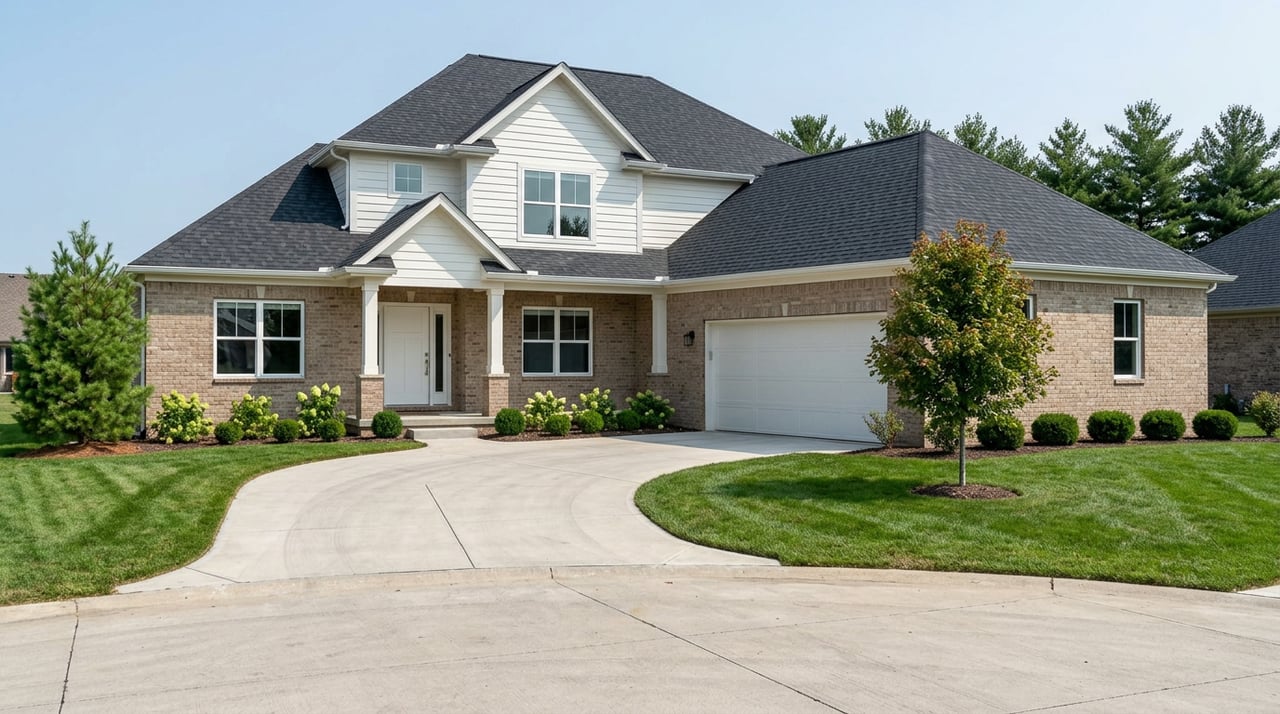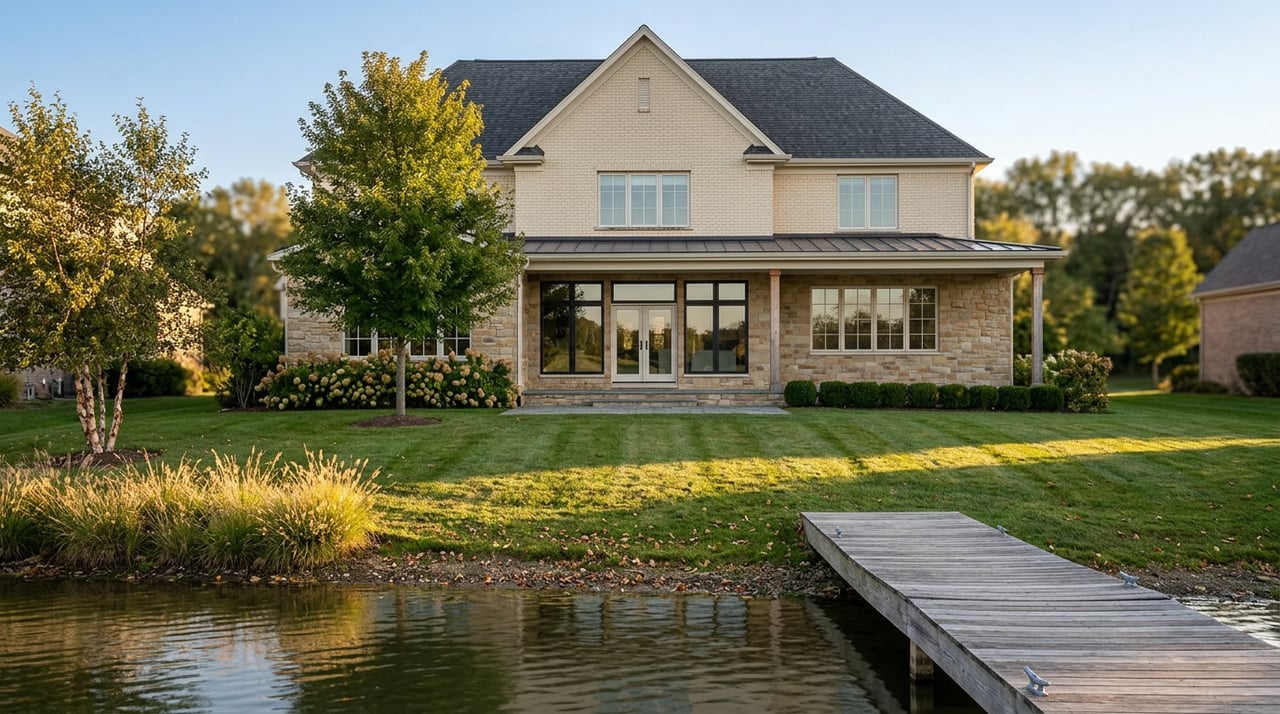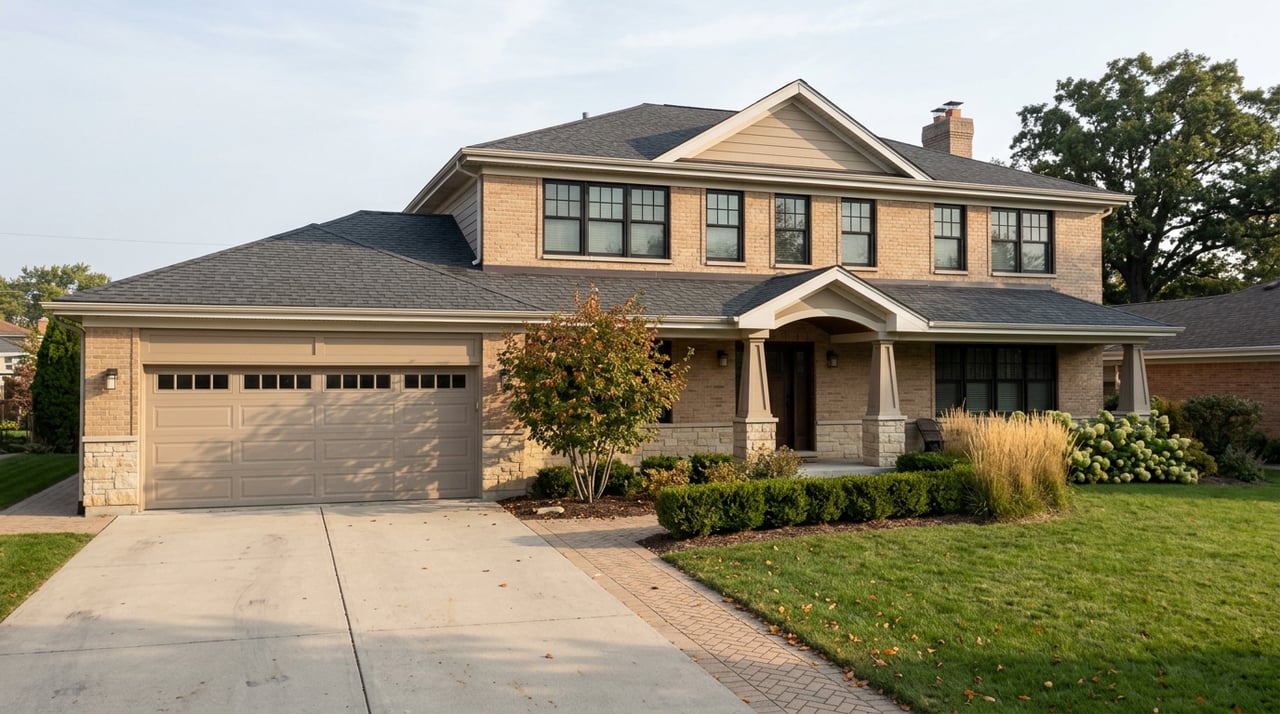
Picture two listings, half a mile apart, both showing "Clarkston, MI" in the address line. Same school ratings on the flyer. Same "Clarkston Community Schools" line in the listing sheet. A buyer comparing them on price per square foot would reasonably assume they're taxed the same way too.
They might not be. One could sit inside the City of the Village of Clarkston, an incorporated city of roughly one square mile with its own council, its own treasurer, and its own millage rate. The other could sit just outside that boundary in Independence Township, which wraps entirely around the Village and runs its own separate set of levies. A third possibility: the home is technically addressed "Clarkston" but actually falls in a slice of Springfield Township or Waterford Township, since Michigan mailing addresses follow post office boundaries, not municipal ones. Three different governments can send three different tax bills to three homes that all say the same thing on the envelope.
The Village Is Smaller Than the Address Suggests
The City of the Village of Clarkston is a real, separate municipality with its own city council, its own treasurer's office, and its own budget. It is not a subdivision or a marketing name. It happens to sit in the middle of a much larger township that shares its name in casual conversation but not in its tax code.
That distinction matters more than it sounds like it should, because Michigan's legislative district lines make the overlap official rather than incidental. The state house district that covers this corner of Oakland County is described as representing Independence Township, the City of the Village of Clarkston, Lake Angelus, and parts of Springfield and Waterford Townships, according to Clarkston News. Four township names and one small city, all sharing a single representative and, colloquially, a single place name.
If you're shopping listings by typing "Clarkston" into a search bar, you are pulling homes from at least four taxing jurisdictions that happen to share a mailing convention. None of them will announce which one they belong to on the listing sheet.
Three Governments, Three Ballot Measures, One Fall
This isn't an abstract boundary question this year. It's an active one.
In August 2026, the Village of Clarkston's City Council voted 6-0, with Councilmember Erica Jones absent, to place a public safety millage on the November ballot, according to Clarkston News. The measure would authorize up to seven mills for police, fire, and emergency response, layered on top of the Village's current operating millage of 11.4107 mills. City documents indicate the council intends to cut the operating levy to 5.4107 mills if voters approve the new millage, producing a net increase of roughly one mill rather than the full seven. That's a promise about future budgeting, not a guarantee written into the ballot language itself, and the council would still have to make that call year by year.
Independence Township ran its own ballot questions earlier the same summer. On the August 4 primary ballot, Independence Township voters decided a police protection millage and a separate school resource officer millage of up to 0.32 mills for four years, intended to fund SROs for Clarkston Community Schools and projected to generate about $778,149 in its first year, per Clarkston News. Both townships and the Village also carried an Oakland County ISD regional enhancement millage of 1.5 mills for the 2026 through 2031 period, a countywide school funding measure that applies regardless of which local government collects your other taxes.
Here's the piece that gets lost in a portal search: none of these three measures line up neatly with a single "Clarkston" boundary. The Village decides its own police and fire funding. Independence Township decides its own SRO and police funding, tied to a school district that itself crosses several township lines. The county-wide school enhancement millage applies on top of both, uniformly. A buyer comparing two "Clarkston" homes this fall could be comparing a Village property facing a possible net one-mill increase against a township property that already settled its SRO millage in August, plus a countywide school millage layered on both.
Why the Median Price You Saw Online Is Actually Several Medians
The tax confusion has a pricing cousin. National home-value trackers don't all draw the same polygon when they report a "Clarkston" median, and the gap between their numbers this year makes that obvious.
One tracker's estimate for the incorporated Village of Clarkston specifically put the median list price at $374,000 in May 2026, based on a pool of just 22 active listings. A separate home-value index, working from the wider ZIP code that blends the Village with surrounding Independence Township parcels, put the average home value at $437,274 as of June 2026. A third aggregator, working from an even broader definition that pulls in more of the township, cited a median sale price closer to $504,000 for the same general area in the same year.
Those aren't three estimates of the same market drifting slightly apart. They're three different markets, each labeled "Clarkston," each drawn to a different boundary. The Village-only figure comes from a market so thin that a single unusual closing can swing the reported median by a large percentage from one month to the next, which is exactly what that same tracker showed happening to the Village's own number in the months around May 2026. The wider ZIP-level and township-inclusive figures smooth that volatility out by adding in a much larger pool of Independence Township sales, which is also why they land tens of thousands of dollars higher.
Neither number is wrong. They're answering different questions. "What did homes sell for inside the Village limits" and "what did homes sell for across the whole area people call Clarkston" are not the same question, and a buyer who doesn't know which one they're looking at will misjudge whether a listing is priced in line with its actual comparables.
Here's how the pieces fit together:
| What you're comparing | What actually varies | Why it matters before you offer |
|---|---|---|
| Two "Clarkston" listings | Taxing jurisdiction (Village, Independence Twp, or edges of Springfield/Waterford Twp) | Different councils and boards set different operating millages independently |
| "Clarkston Community Schools" on both flyers | The school district crosses township lines, so shared schools don't mean shared township tax bills | SRO and county ISD millages layer differently depending on which township collects them |
| A median price you saw online | Which boundary the data provider used: city limits, ZIP code, or a broader area | A 22-listing sample swings hard month to month; a township-wide sample doesn't |
What to Actually Check Before You Write an Offer
A listing sheet won't sort any of this out for you. A few minutes of homework will.
- Ask which taxing jurisdiction the parcel sits in, by name. "Clarkston" is not an answer. "City of the Village of Clarkston" or "Independence Township" is.
- Request the current millage rate for that specific jurisdiction from the assessor, not a national estimate. The Village's treasurer's office and Independence Township's clerk's office both publish current rates directly.
- Ask whether the property falls inside a jurisdiction with an active or pending ballot measure. The Village's public safety millage won't be decided until November 2026, so a home there could see a different bill in 2027 depending on the outcome.
- Confirm the school district boundary separately from the township boundary. Clarkston Community Schools serves homes across more than one township, so shared schools tell you about attendance zones, not about which government sets your operating millage.
- When comparing list prices to a "median" you found online, ask what geographic boundary that median was built from. A Village-limits figure and a ZIP-code figure are not interchangeable.
A Clarkston address tells you where your mail goes. It doesn't tell you who sends the tax bill.
A Few Quick Answers
Is the City of the Village of Clarkston the same government as Independence Township? No. They are separate municipalities with separate councils, separate budgets, and separate millage rates. The Village is fully surrounded by the township but governs itself independently.
If two homes both feed into Clarkston Community Schools, are they in the same taxing jurisdiction? Not necessarily. The school district's boundary and the township or city boundary are drawn independently, so two homes can share a school district while sitting in different townships with different police, fire, and operating millages.
Will the Village's proposed millage affect homes outside the Village limits? No. The public safety measure on the November 2026 ballot applies only to properties inside the City of the Village of Clarkston, not to surrounding Independence Township parcels.
If you're comparing homes across this patchwork and want someone who already knows which side of which line a listing sits on, Sold by Emily has spent two decades working these exact boundaries, block by block. Schedule your free consultation and we'll walk through the specific jurisdiction, the current millage, and what's actually on the ballot before you write an offer.